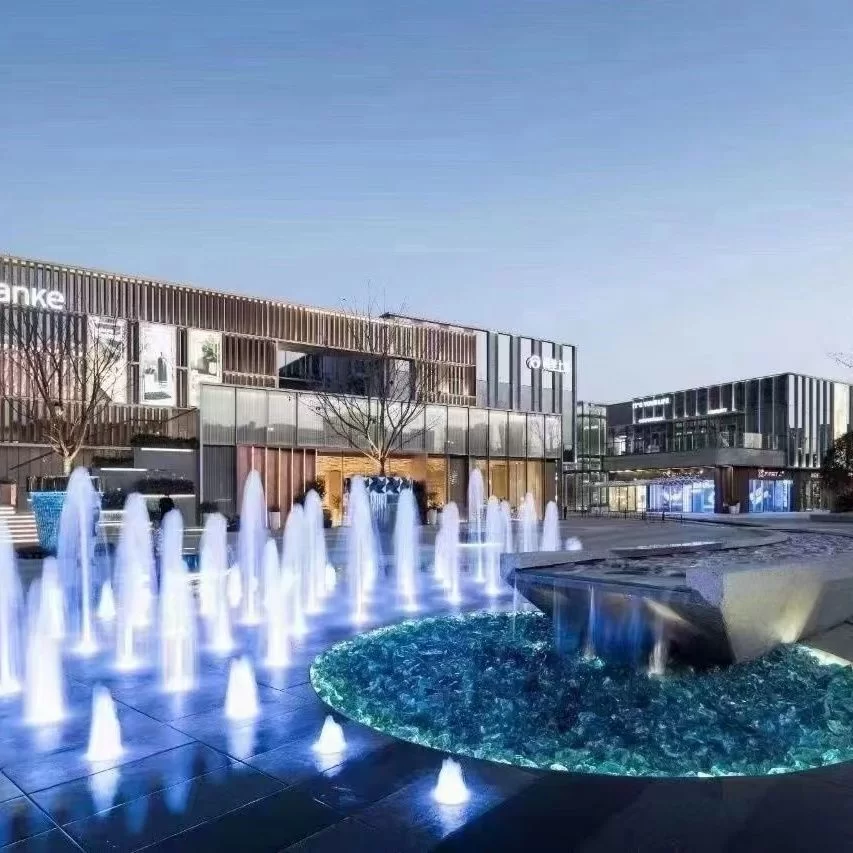
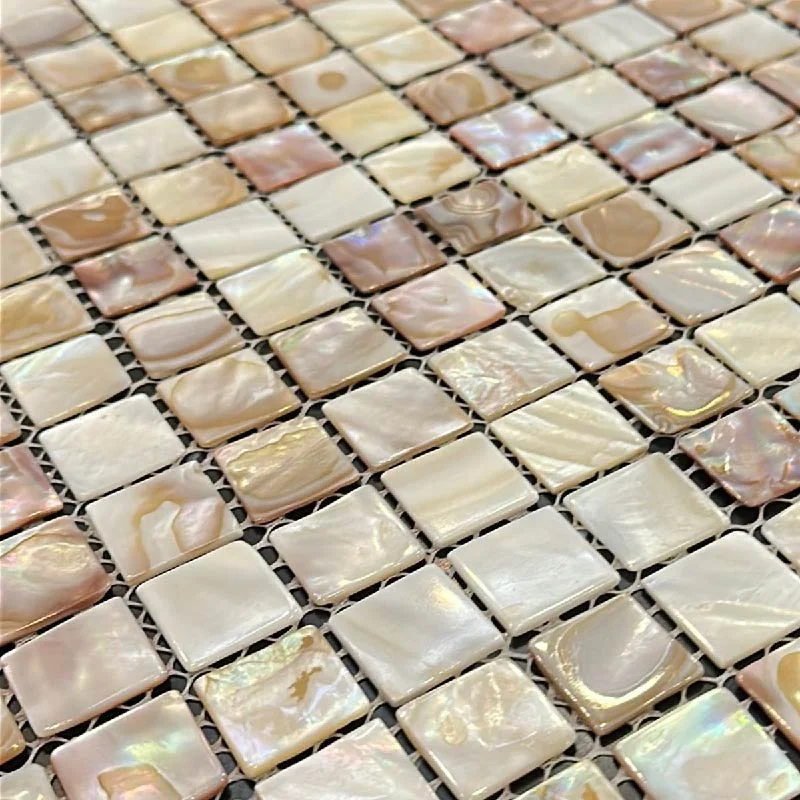
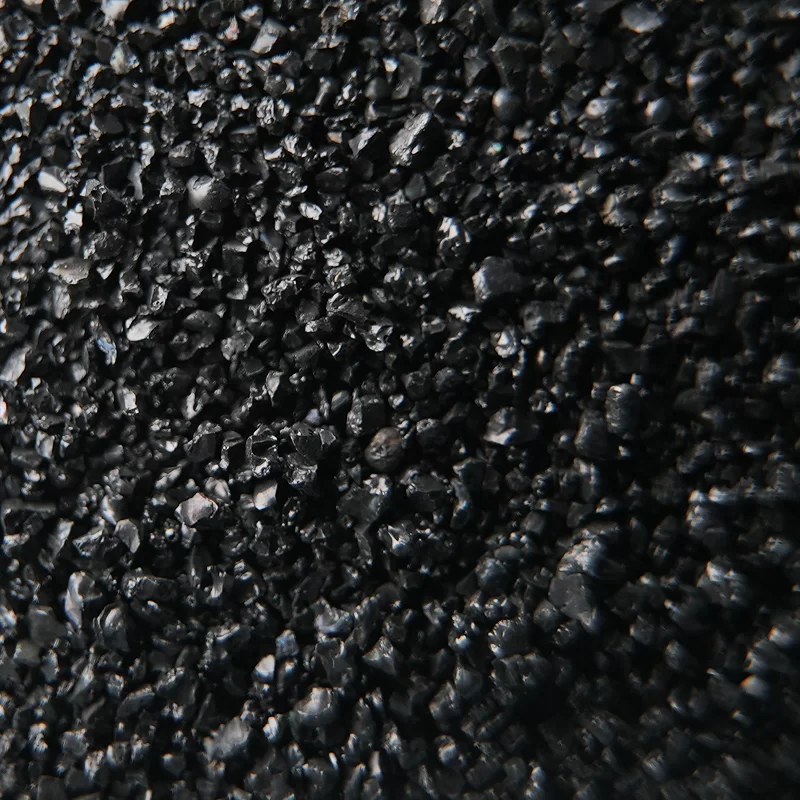
Perlite board represents a significant advancement in lightweight construction materials, offering a compelling alternative to traditional options. Its unique properties – stemming from expanded volcanic glass – make it exceptionally versatile, finding applications ranging from insulation and horticulture to structural components in buildings and even innovative housing solutions. Understanding perlite board is crucial for architects, engineers, builders, and anyone seeking sustainable, cost-effective, and energy-efficient building materials.
Globally, the demand for sustainable and lightweight building materials is rapidly increasing, driven by factors such as urbanization, climate change concerns, and a growing focus on resource efficiency. The construction industry is a major contributor to global carbon emissions, making the adoption of eco-friendly materials like perlite board increasingly important. Regulations are tightening, and consumer preference is shifting towards greener building practices, creating a favorable market for innovative solutions.
Perlite board is not merely a material; it’s a response to these global challenges. Its lightweight nature reduces transportation costs and simplifies installation, while its inherent fire resistance and thermal insulation properties contribute to safer and more energy-efficient buildings. It provides a compelling solution for addressing pressing needs in both developed and developing nations, from disaster relief housing to affordable homes.
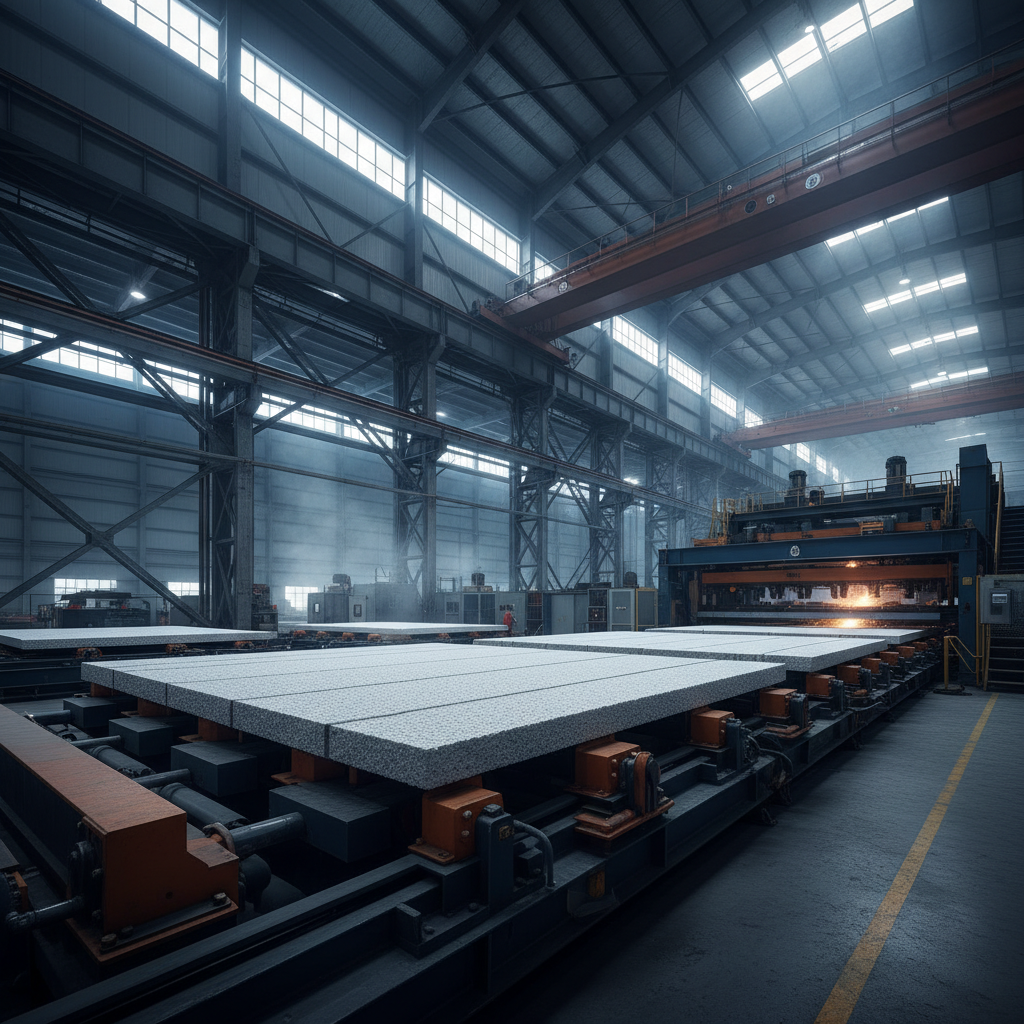
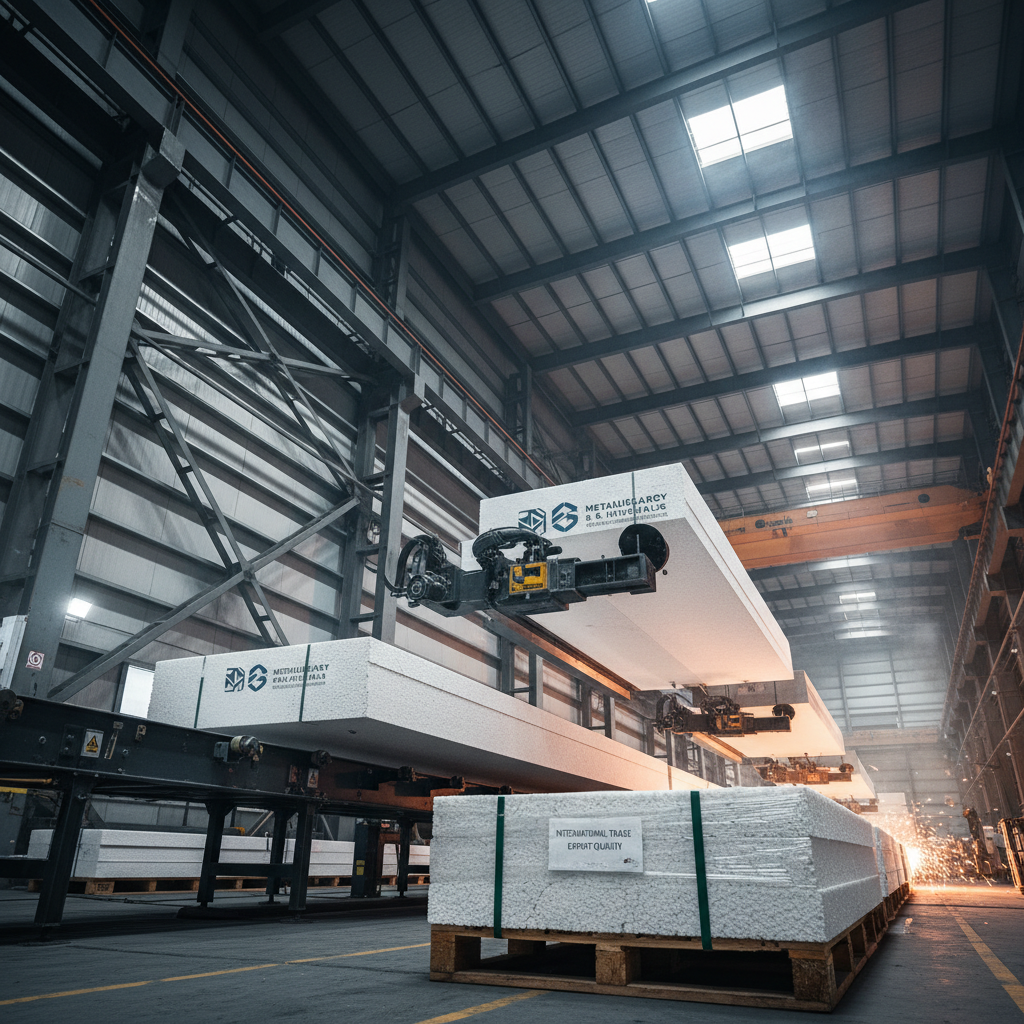
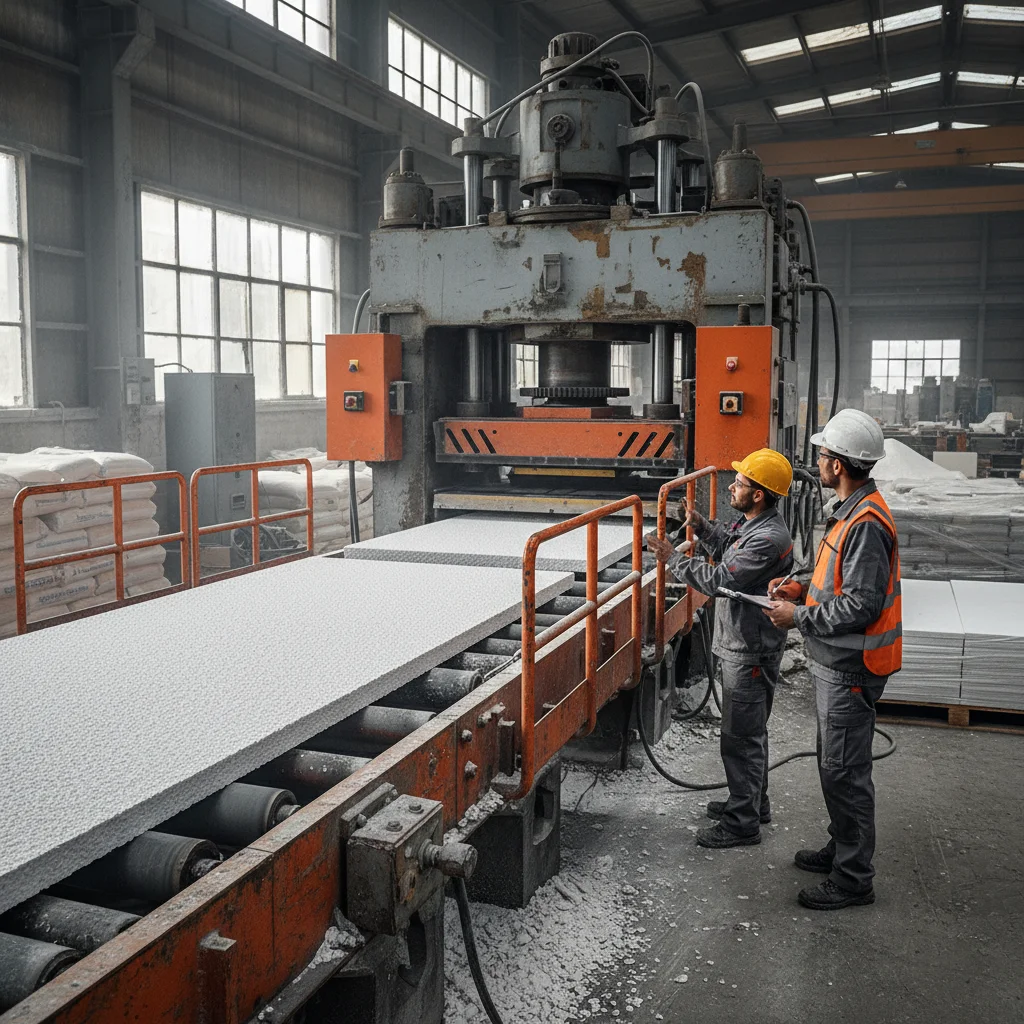
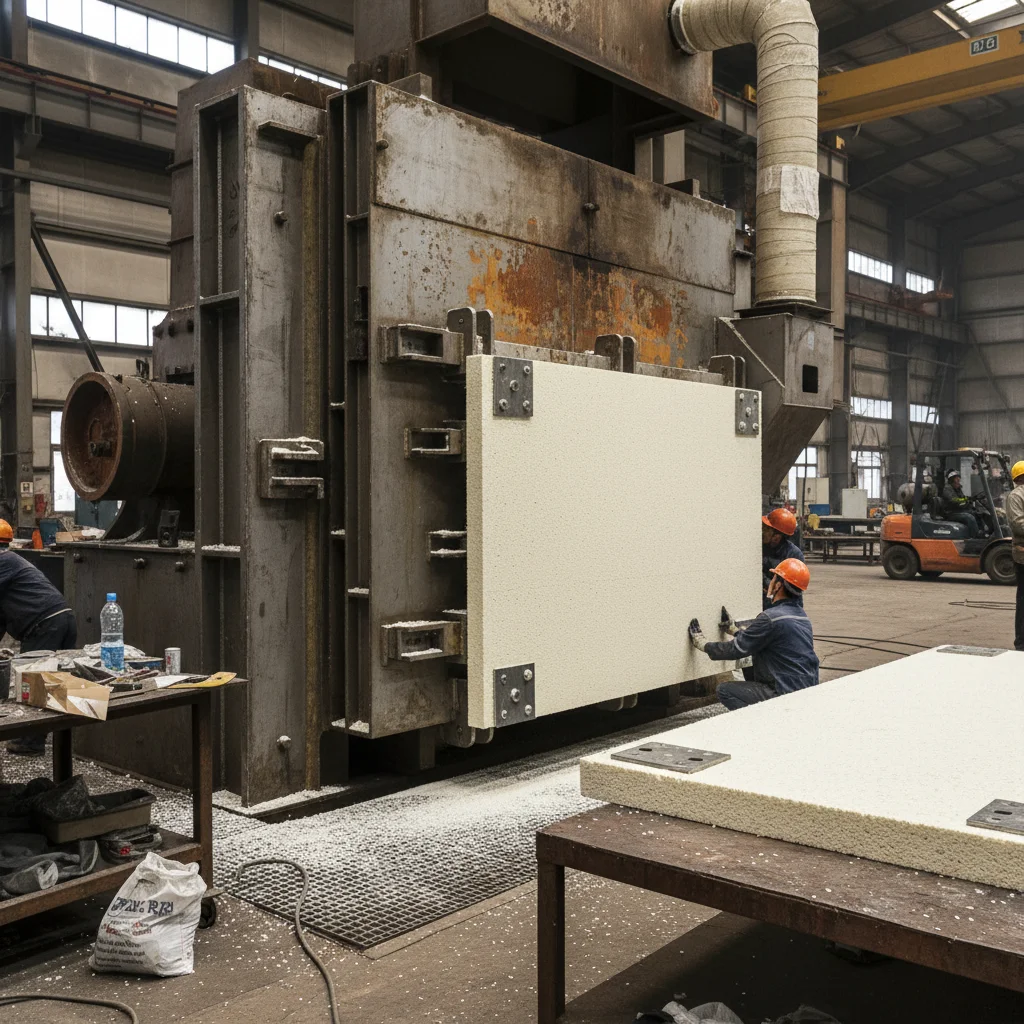
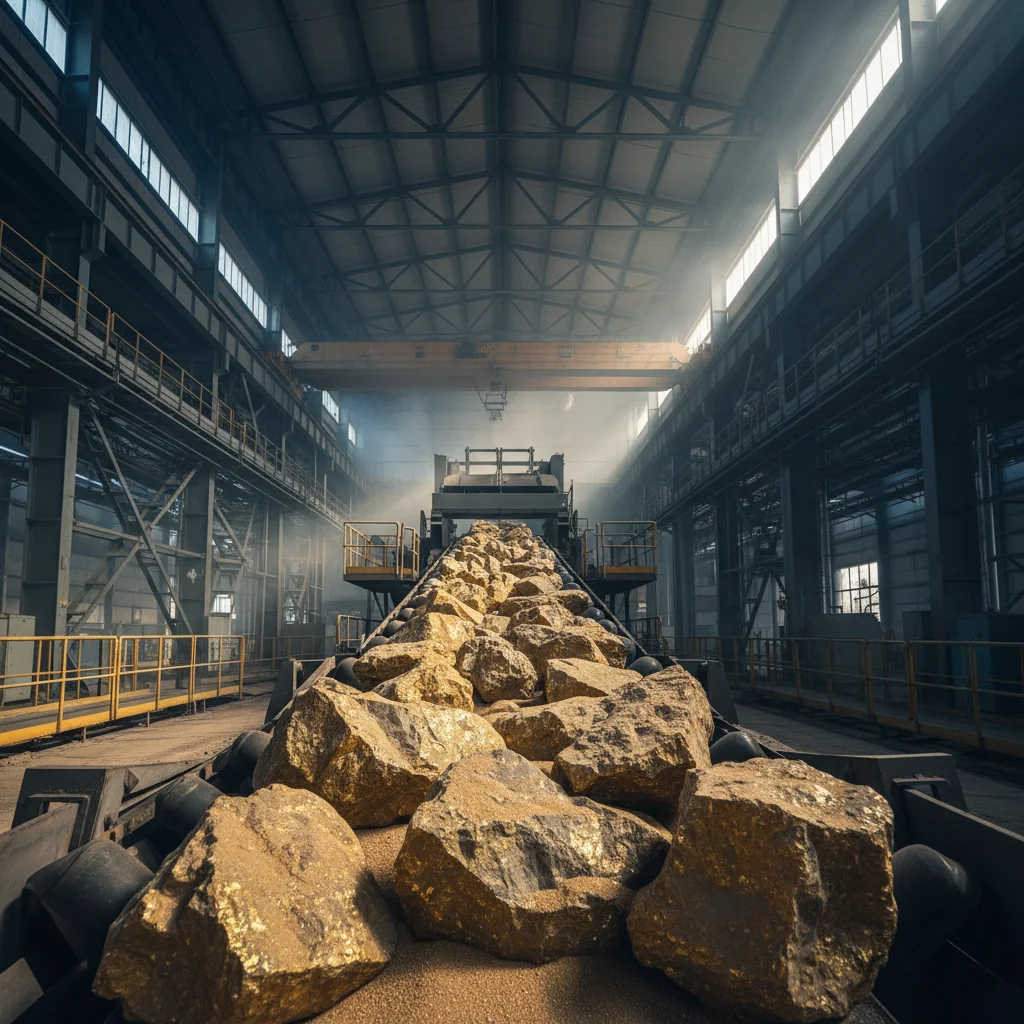
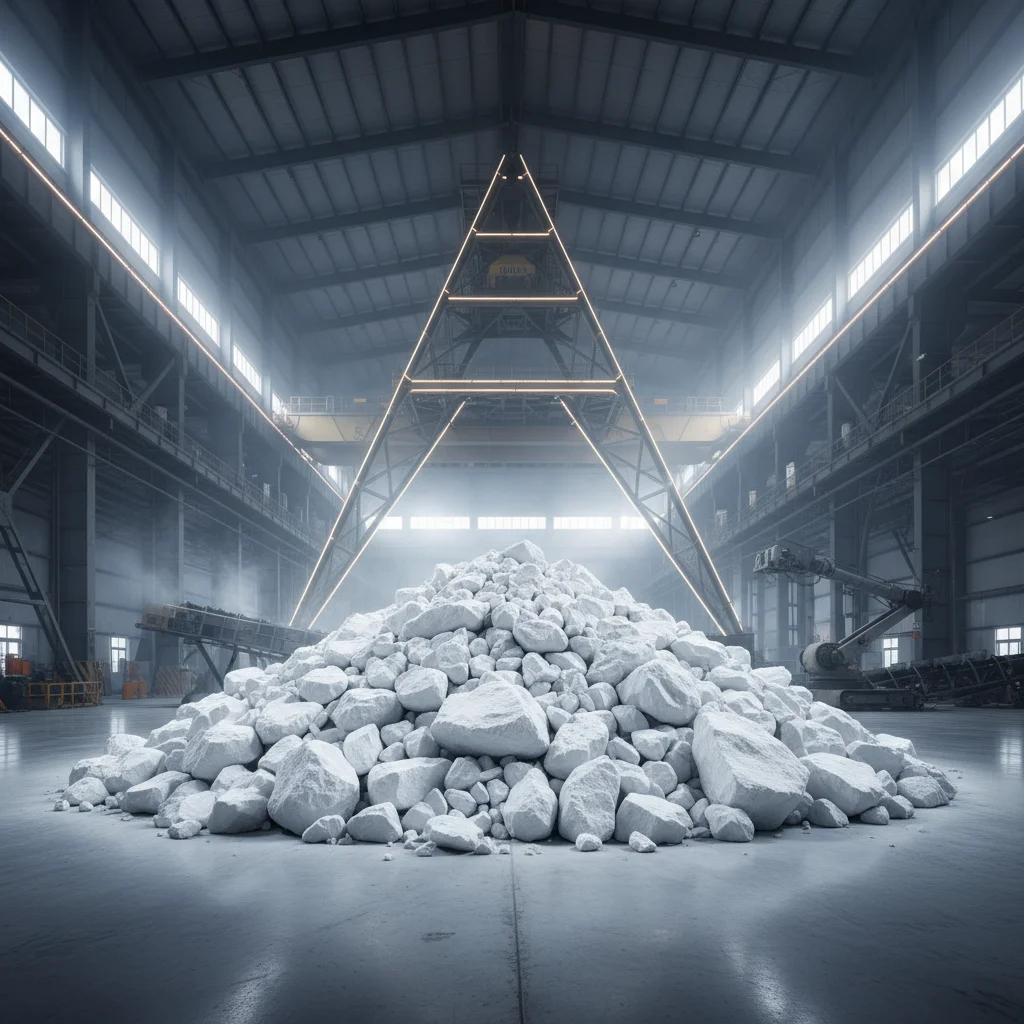
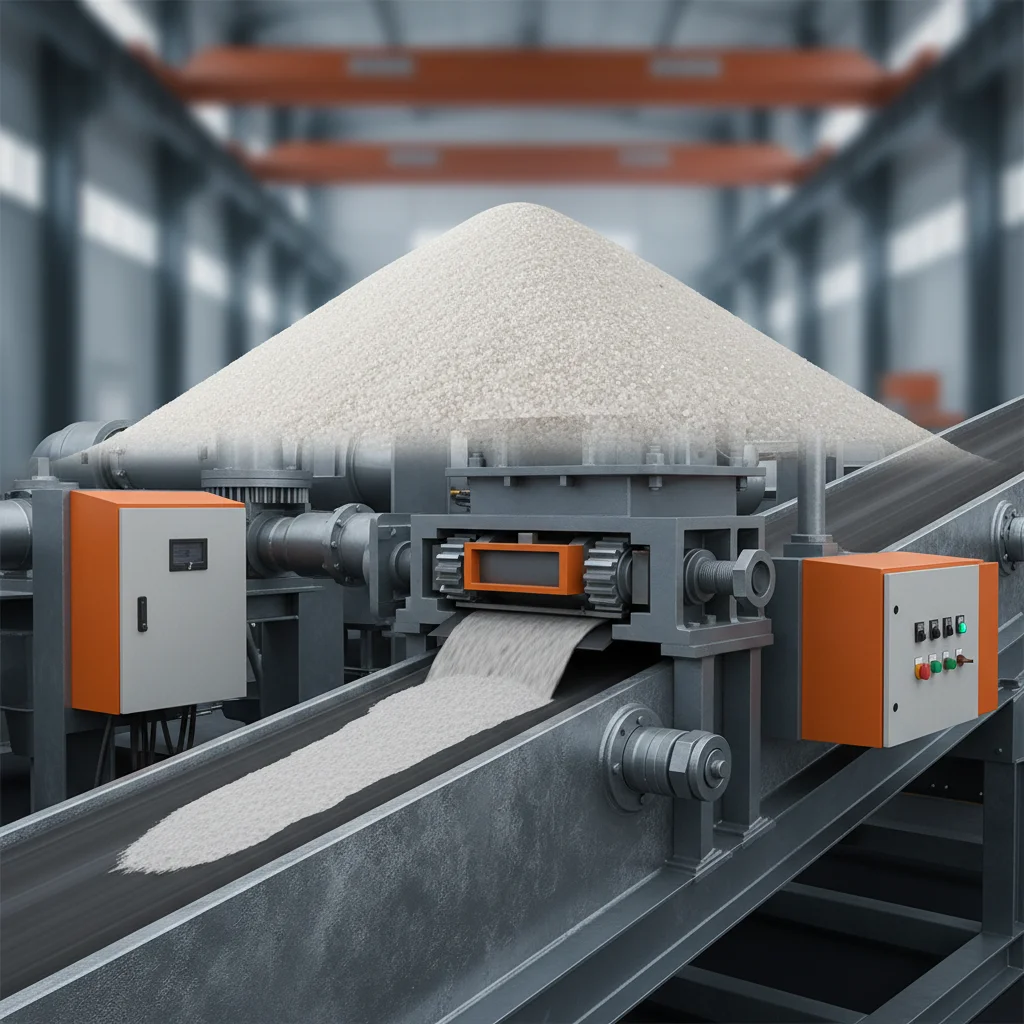
Perlite board stands out as a versatile construction material due to its unique manufacturing process. Volcanic glass is rapidly heated, causing it to expand – often by 8-16 times its original volume – creating a lightweight, porous structure. This expanded glass, known as perlite, is then combined with binders and formed into boards. This process imbues perlite board with exceptional thermal and acoustic properties, setting it apart from conventional building materials.
Its rising prominence is linked to increasing demands for energy efficiency and sustainable construction. Unlike heavier materials, perlite board significantly reduces the structural load on buildings, offering cost savings in foundation and support systems. The material's fire resistance also provides a crucial safety benefit, making it a preferred choice for a wide range of building applications, from residential to commercial.
Perlite board is widely used in construction as a lightweight insulation material for walls, roofs, and floors. Its fire-resistant properties make it ideal for fireproofing structures and creating firebreaks. It’s also employed in interior partitions, cladding systems, and even as a component in lightweight concrete mixtures, reducing structural load and improving energy efficiency. It offers a versatile and sustainable solution for modern building designs.
Compared to fiberglass and foam insulation, perlite board offers several advantages. It is naturally fire-resistant, unlike many foam products, and doesn't release harmful gases when exposed to heat. It also provides superior sound insulation and is more environmentally friendly as it is made from a naturally occurring volcanic glass. While fiberglass may be cheaper upfront, perlite board’s durability and long-term performance can lead to cost savings over time.
While perlite itself is not water-soluble, perlite board's performance in humid or wet environments depends on the binder used in its production. Boards with cementitious binders are generally more resistant to moisture than those using gypsum binders. Applying a water-resistant sealant or coating can further enhance its protection against moisture damage, making it suitable for use in bathrooms, kitchens, or exterior applications.
The lifespan of a structure built with perlite board is comparable to that of structures built with conventional materials, often exceeding 50 years with proper maintenance. The durability of the board itself is excellent, and its resistance to pests and decay contributes to long-term structural integrity. Regular inspections and timely repairs of any damage will further extend its lifespan.
The manufacturing of perlite board is generally considered environmentally friendly. Perlite is a naturally abundant material, and the expansion process requires relatively low energy input. However, the environmental impact of the binder used should be considered. Increasingly, manufacturers are exploring bio-based binders to further reduce the carbon footprint of perlite board production.
When cutting or handling perlite board, it's essential to wear a dust mask to prevent inhalation of perlite particles. Safety glasses are also recommended to protect the eyes. Appropriate gloves should be used to avoid skin irritation. Proper ventilation is crucial when working with power tools that generate dust. Following standard construction safety guidelines is always recommended.
In conclusion, perlite board represents a paradigm shift in construction and various industrial applications. Its unique combination of lightweight properties, fire resistance, thermal insulation, and sustainability makes it a compelling alternative to traditional materials. From reducing energy consumption in buildings to providing safe and affordable housing solutions, perlite board addresses critical global challenges.
Looking ahead, continued innovation in binder technology, manufacturing processes, and application methods will further expand the potential of perlite board. By embracing this versatile material, we can build a more sustainable, resilient, and energy-efficient future. To learn more about the benefits of perlite board and explore our product range, visit our website: www.cnfloormaterials.com.

If you are interested in our products, you can choose to leave your information here, and we will be in touch with you shortly.