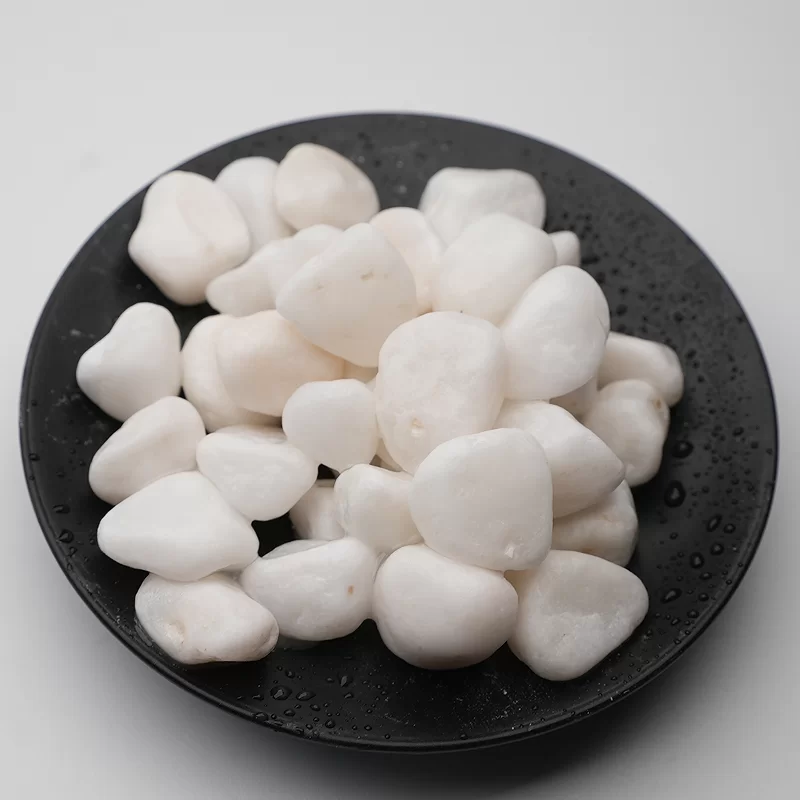
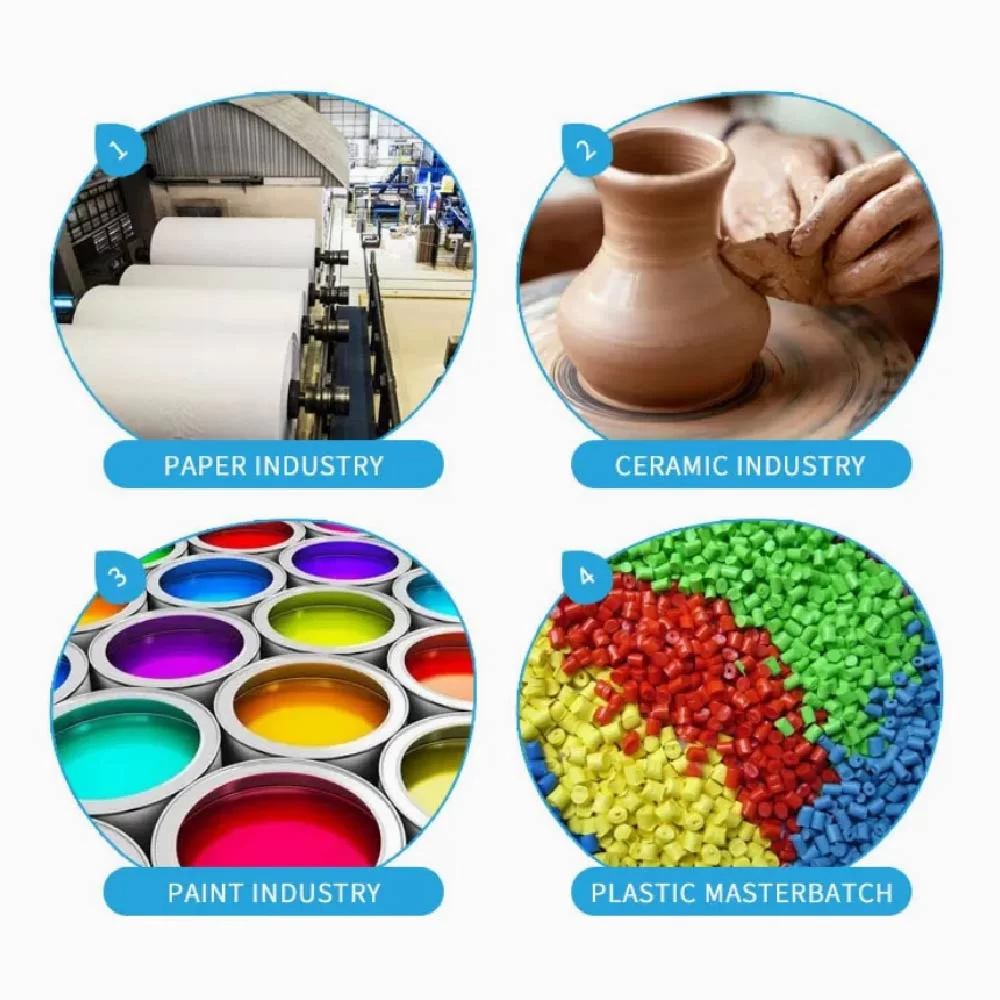
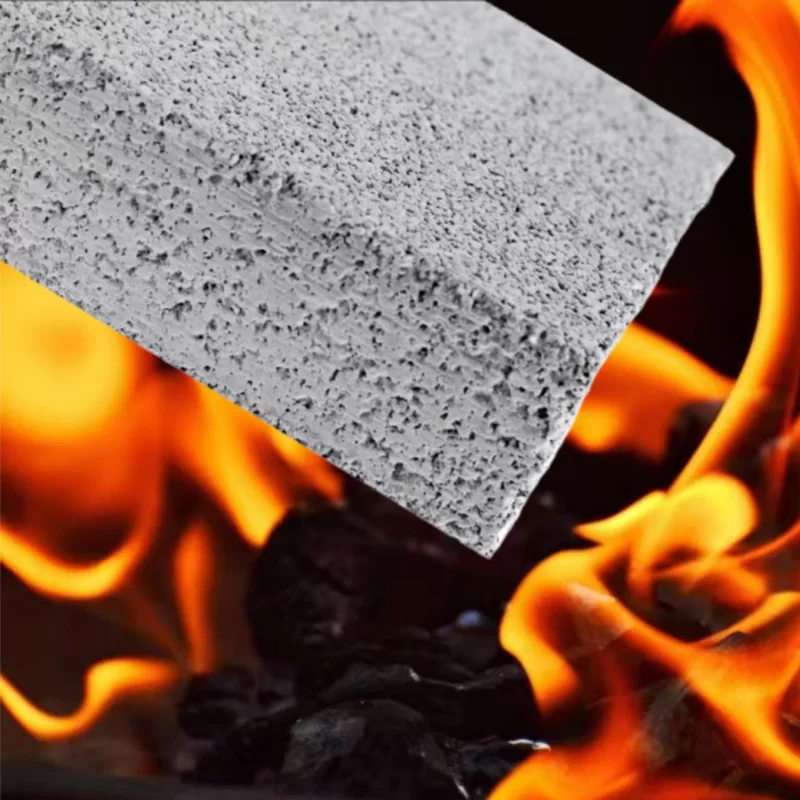
Perlite roof insulation is rapidly gaining recognition as a cost-effective and sustainable building material worldwide. Its lightweight nature, coupled with excellent thermal properties, makes it an ideal solution for a wide range of roofing applications, from residential homes to large-scale commercial buildings. Understanding the benefits and applications of perlite roof insulation is crucial in addressing global challenges related to energy efficiency and environmentally conscious construction.
The global construction industry is under increasing pressure to reduce its carbon footprint and adopt more sustainable practices. Traditional insulation materials often have significant environmental impacts, both in their production and disposal. Perlite, a naturally occurring volcanic glass, offers a viable alternative. Its expansion process requires relatively low energy, and the resulting material is entirely recyclable, offering a path towards greener building solutions.
As populations grow and energy demands increase, the need for efficient insulation solutions becomes paramount. Perlite roof insulation not only contributes to energy savings but also enhances building comfort and fire resistance. The ability to significantly reduce heating and cooling costs, coupled with its inherent safety features, positions perlite as a key component in modern, responsible construction practices.
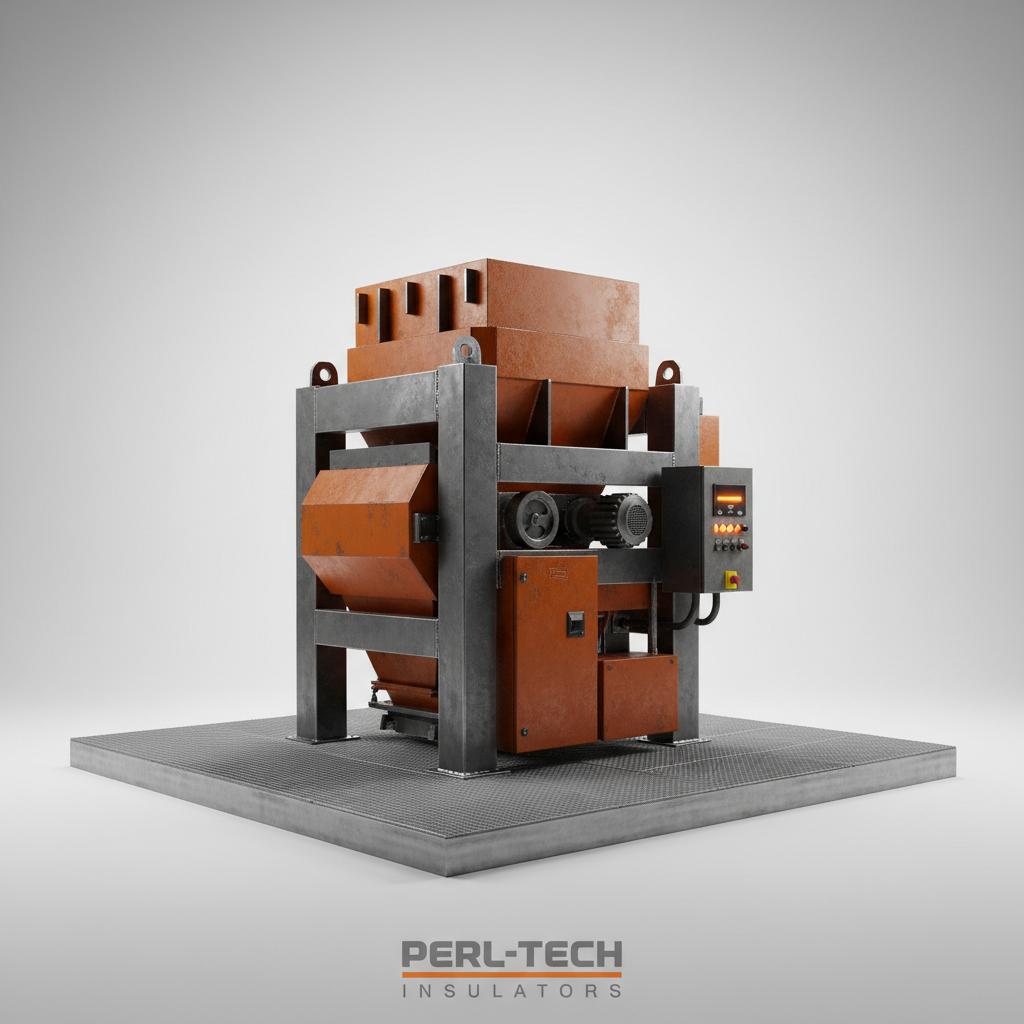
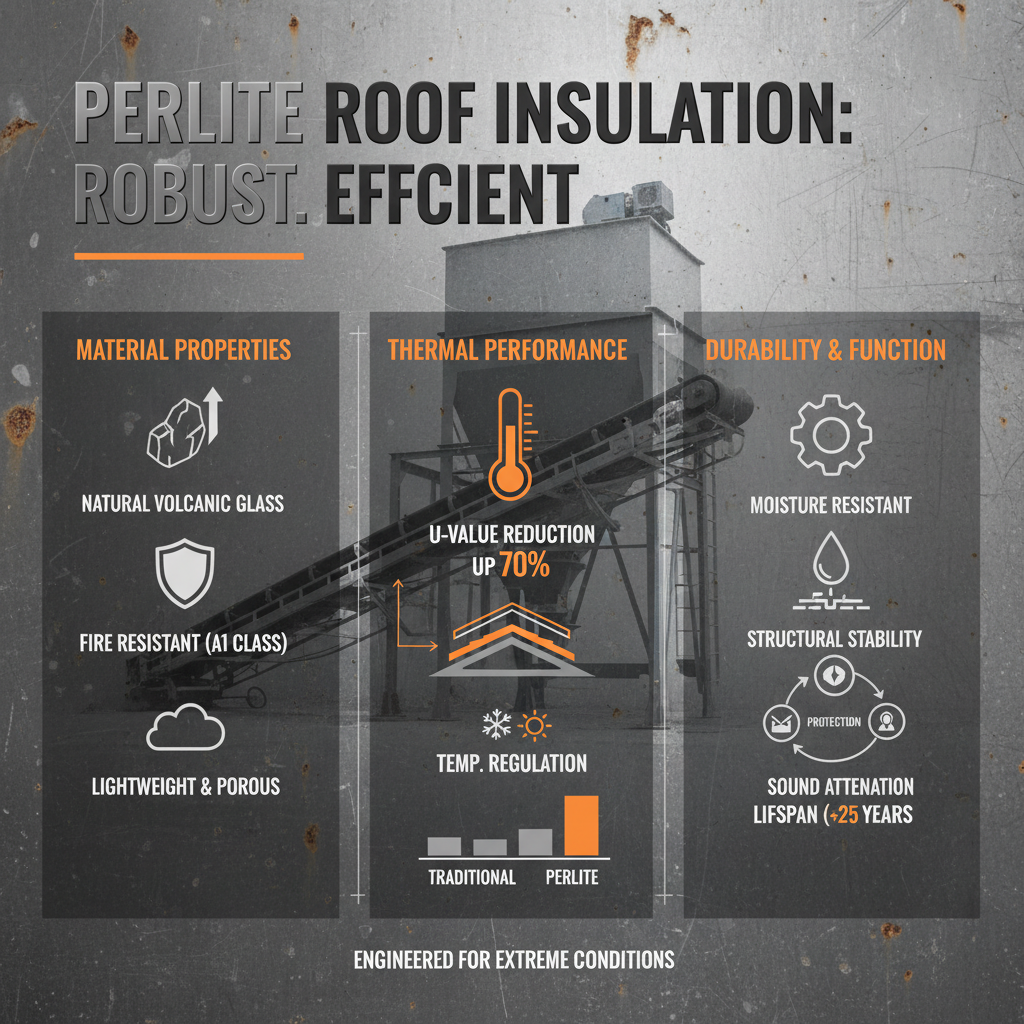
Perlite roof insulation represents a significant advancement in sustainable building materials. Its exceptional thermal resistance stems from the unique structure created when perlite is heated, causing it to expand into a lightweight, porous aggregate. This expanded perlite then becomes a highly effective insulator, reducing heat transfer through the roof and contributing to substantial energy savings.
The application of perlite roof insulation extends beyond mere energy efficiency; it also addresses crucial safety concerns. Perlite is non-combustible and offers excellent fire resistance, providing an additional layer of protection for buildings and their occupants. This combination of performance characteristics makes perlite an increasingly popular choice for both new construction and renovation projects.
Perlite offers several advantages over fiberglass. It’s naturally fire-resistant, doesn't support mold growth, and has a higher R-value per inch in some applications. Furthermore, perlite is environmentally friendly, being a naturally occurring material with lower embodied energy than fiberglass production. It also resists settling over time, maintaining its insulating properties for longer.
Perlite is highly versatile and suitable for many roof types, including flat roofs, pitched roofs, and metal roofs. It can be applied as loose-fill insulation, in pre-formed boards, or as a spray-applied coating. However, the best application method depends on the specific roof construction and climate conditions. It’s crucial to consult with a qualified roofing professional to determine the optimal solution.
Perlite’s excellent thermal resistance minimizes heat transfer through the roof, significantly reducing the need for heating and cooling. This leads to lower energy bills and a reduced carbon footprint. The high R-value of perlite, coupled with its ability to prevent air leakage, creates a more energy-efficient building envelope.
Yes, perlite is considered a very environmentally friendly insulation material. It's made from a naturally occurring volcanic glass, requires relatively low energy to process, and is fully recyclable. It does not contain harmful chemicals or produce any harmful emissions, making it a sustainable choice for builders and homeowners concerned about environmental impact.
Perlite roof insulation has a remarkably long lifespan, often exceeding 50 years. Unlike some other insulation materials, it doesn't settle, decompose, or lose its insulating properties over time. This durability translates to long-term cost savings and reduced maintenance requirements for building owners.
Perlite is naturally non-combustible and offers exceptional fire resistance. It doesn’t contribute to the spread of flames and can even help to protect the underlying roof structure from fire damage. This makes it a particularly valuable insulation material in areas prone to wildfires or other fire hazards.
In conclusion, perlite roof insulation offers a compelling combination of performance, sustainability, and cost-effectiveness. Its exceptional thermal properties, inherent fire resistance, and lightweight nature make it an ideal choice for a wide range of roofing applications. The growing demand for eco-friendly building materials is further solidifying perlite's position as a leading insulation solution for the future.
Looking ahead, continued innovation in perlite processing and application techniques will further enhance its performance and expand its uses. By embracing perlite roof insulation, we can contribute to a more sustainable built environment, reduce energy consumption, and create safer, more comfortable buildings for generations to come. Visit our website to learn more: CN Floor Materials.

If you are interested in our products, you can choose to leave your information here, and we will be in touch with you shortly.