0%

Table of Contents

Perlite roof insulation board is rapidly gaining recognition as a sustainable and effective solution for thermal regulation in buildings across the globe. Its lightweight nature, combined with excellent insulating properties, addresses the increasing demand for energy-efficient construction materials. Understanding its composition, application, and benefits is crucial for architects, builders, and homeowners alike, contributing to a reduction in energy consumption and a smaller carbon footprint.

The global construction industry is facing growing pressure to adopt environmentally friendly practices. Traditional insulation materials often have high embodied energy and can contribute to pollution during manufacturing and disposal. perlite roof insulation board offers a viable alternative, utilizing a naturally occurring volcanic glass that is expanded through a heating process, creating a lightweight, porous material. This addresses the need for sustainable building solutions worldwide.

The increasing frequency of extreme weather events, coupled with rising energy costs, further emphasizes the importance of efficient building insulation. Perlite roof insulation board not only provides thermal comfort but also offers fire resistance and acoustic dampening, making it a versatile choice for a wide range of construction projects. Its ease of installation and cost-effectiveness contribute to its growing popularity, particularly in regions facing economic constraints.
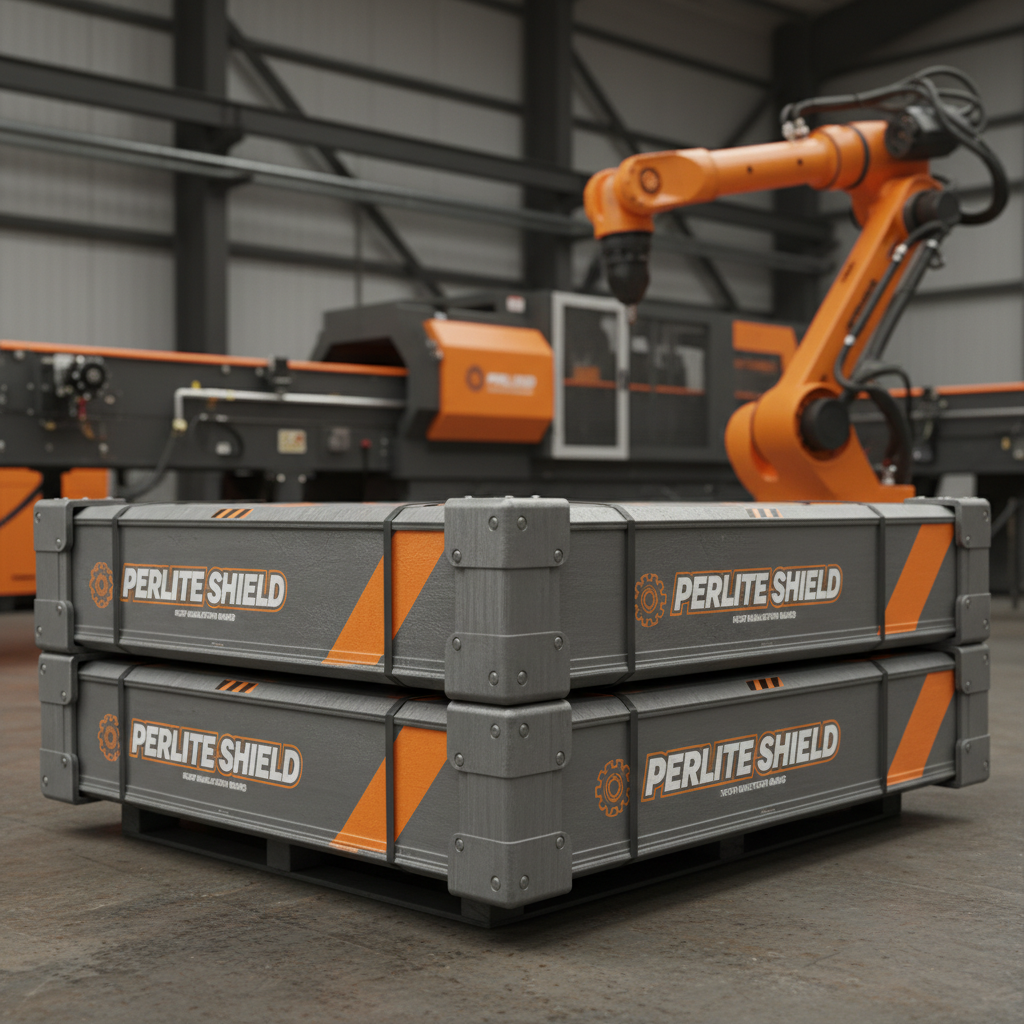
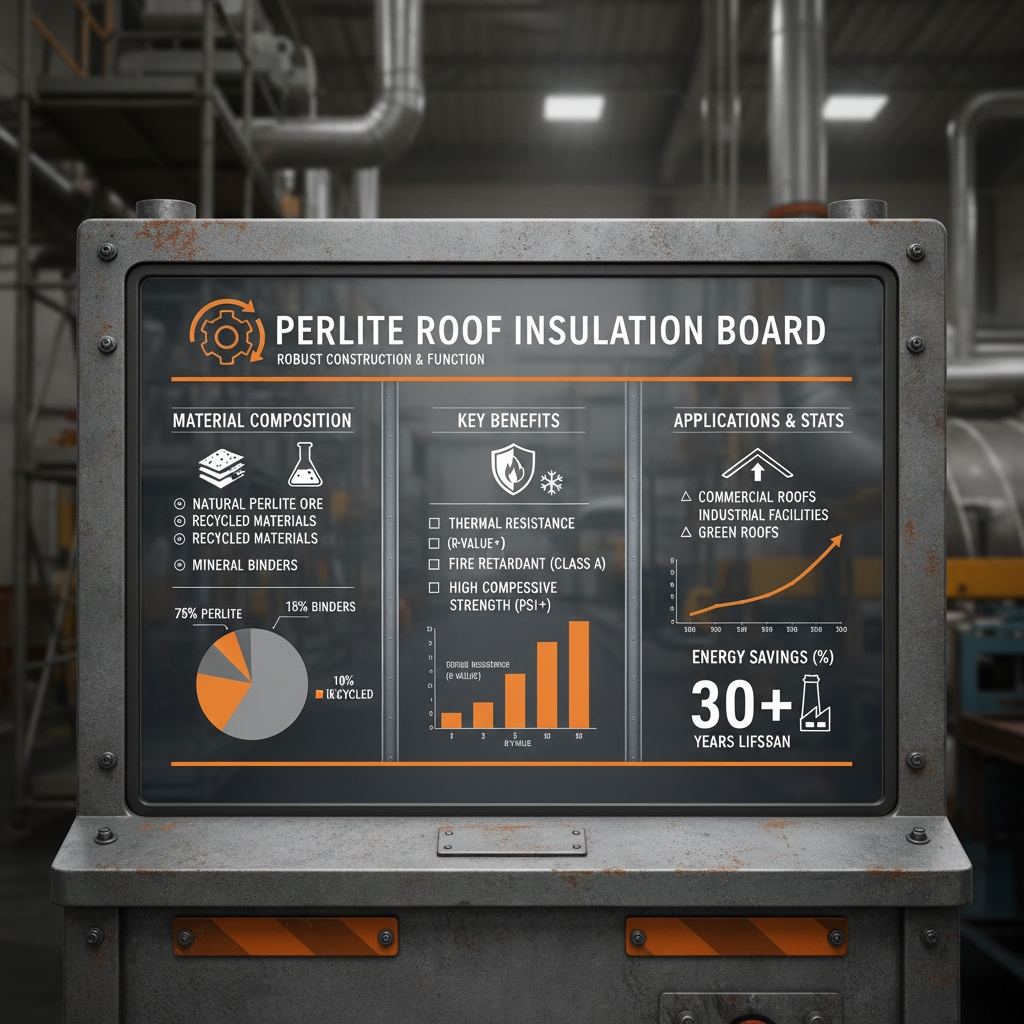
perlite roof insulation board

Introduction to Perlite Roof Insulation Board

perlite roof insulation board

Perlite roof insulation board represents a significant advancement in building material technology, offering a sustainable and highly effective solution for regulating building temperatures. Its growing adoption is driven by increasing environmental concerns and a demand for energy-efficient construction. This material’s unique properties make it adaptable to a wide range of climates and building designs.

The benefits of using perlite roof insulation board extend beyond simple temperature control. Its inherent fire resistance, lightweight nature, and acoustic properties contribute to enhanced building safety and comfort. Furthermore, the raw material, perlite, is an abundant volcanic glass, making the production process relatively sustainable and cost-effective.

Defining Perlite Roof Insulation Board

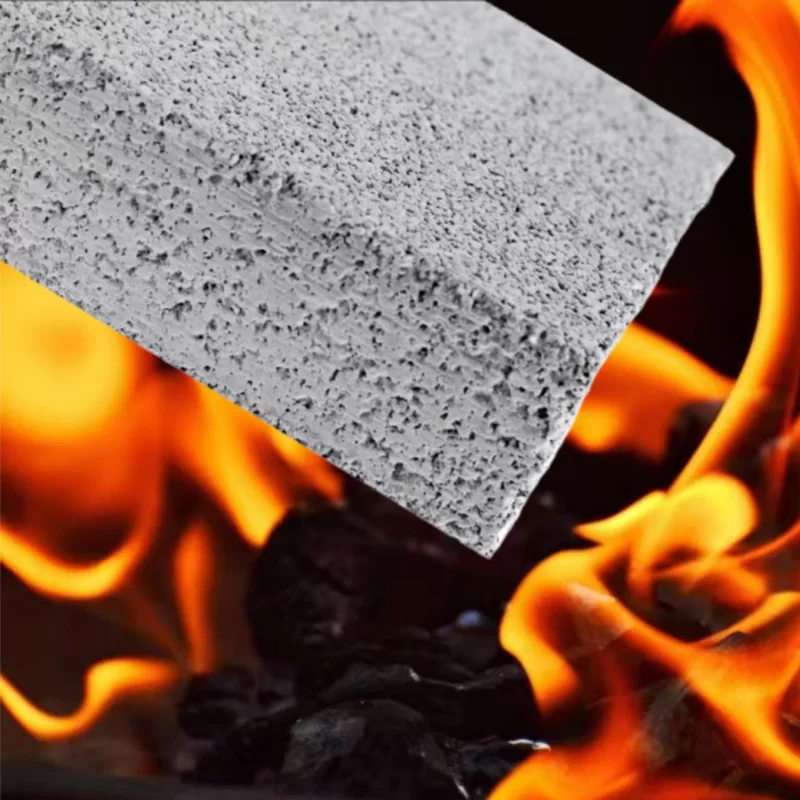
Perlite roof insulation board is a manufactured product created by expanding volcanic glass—perlite—through a high-temperature heating process. This process creates a lightweight, porous material composed of tiny glass bubbles. These bubbles trap air, providing exceptional thermal insulation properties. The expanded perlite is then formed into boards of varying thicknesses and densities suitable for roof insulation.

Unlike some traditional insulation materials, perlite insulation board is non-combustible and doesn’t release harmful gases when exposed to fire. This makes it a particularly valuable safety feature in residential and commercial buildings. Its low density minimizes the load on roof structures, simplifying installation and reducing structural support requirements.

The connection to modern industry stems from the increasing focus on sustainable building practices and energy conservation. As governments worldwide implement stricter building codes and incentivize green construction, materials like perlite insulation board are becoming essential components of energy-efficient designs, directly addressing the need for a lower carbon footprint in the built environment.

Key Properties of Perlite Insulation

Durability is a key characteristic of perlite roof insulation board. It doesn’t degrade over time, resisting mold, mildew, and pests, unlike some organic insulation materials. This longevity translates to reduced replacement costs and sustained thermal performance throughout the building’s lifespan. Perlite roof insulation board maintains its structural integrity even under varying weather conditions.

Thermal performance is outstanding, with low thermal conductivity that minimizes heat transfer through the roof structure. This results in significant energy savings, reduced heating and cooling costs, and a more comfortable indoor environment. The R-value (resistance to heat flow) of perlite insulation board varies based on density and thickness, allowing for customization to meet specific project requirements.

Fire resistance is another critical advantage. Perlite itself is a volcanic glass and, therefore, inherently non-combustible. Perlite roof insulation board doesn't contribute to the spread of flames, providing crucial protection for buildings and occupants, and often meeting or exceeding stringent fire safety regulations.

Applications Across Global Sectors

Perlite roof insulation board is finding applications in a diverse range of sectors, including residential construction, commercial buildings, industrial facilities, and agricultural structures. In colder climates, it’s widely used to minimize heat loss and maintain comfortable indoor temperatures during winter months.

In warmer regions, it effectively blocks solar heat gain, reducing cooling demands and lowering energy bills. It is increasingly popular in regions with high humidity, as its properties resist moisture absorption and maintain insulating efficiency. Examples include its growing use in tropical climates across Southeast Asia and South America.

Perlite Roof Insulation Board Application Rates by Sector

Advantages and Long-Term Value

The cost-effectiveness of perlite roof insulation board is a significant benefit. While the initial material cost may be comparable to some traditional insulation products, the long-term savings on energy bills and reduced maintenance contribute to a lower lifecycle cost. The ease of installation also reduces labor costs.

Sustainability is another key advantage. Perlite is a naturally occurring material, and its production process has a relatively low environmental impact. By reducing energy consumption, perlite roof insulation board contributes to a smaller carbon footprint and promotes environmentally responsible building practices.

Future Trends and Innovations

Research is ongoing to further enhance the properties of perlite insulation board. This includes exploring new additives and manufacturing processes to improve thermal performance, fire resistance, and water repellency. Integration with smart building technologies, such as sensors that monitor temperature and humidity, is also being investigated.

The increasing demand for green building materials is driving innovation in the perlite industry. Manufacturers are focusing on developing more sustainable production methods and exploring the use of recycled perlite in new products. The future of perlite roof insulation board is closely tied to the broader trends of energy efficiency, sustainability, and digital transformation in the construction sector.

Challenges and Solutions in Perlite Insulation

One challenge is the potential for dust generation during installation, which requires appropriate safety measures such as masks and ventilation. However, pre-cut boards and improved handling techniques are mitigating this issue. Another challenge is ensuring consistent quality control throughout the manufacturing process to maintain optimal insulation performance.

Solutions include implementing rigorous testing procedures, adhering to industry standards, and providing comprehensive training for installers. Addressing misinformation and promoting awareness of the benefits of perlite insulation board are also crucial to overcoming resistance to adoption. Furthermore, continuous research and development are essential for improving the product's performance and addressing emerging challenges.

Finally, establishing clear certifications and labeling standards for perlite roof insulation board will build consumer confidence and facilitate its wider acceptance in the building industry.

Summary of Key Challenges and Solutions for Perlite Roof Insulation

Challenge Area Severity (1-10) Potential Solution Implementation Cost (1-10)
Dust Generation During Installation 6 Pre-cut boards, improved handling 3
Quality Control Consistency 7 Rigorous testing, industry standards 5
Public Awareness & Misinformation 5 Educational campaigns, clear labeling 4
Standardization & Certification 8 Industry-wide certification programs 6
Perception of Material Novelty 4 Demonstration projects, case studies 2
Long-term Durability Studies 6 Extended performance monitoring 7

FAQS

What are the main environmental benefits of using perlite roof insulation board?

Perlite roof insulation board offers significant environmental advantages. It’s made from a naturally occurring volcanic glass, reducing reliance on fossil fuel-based insulation materials. Its lightweight nature lowers transportation costs and associated emissions. Moreover, its excellent thermal performance minimizes energy consumption, reducing a building's carbon footprint and contributing to a more sustainable built environment. It’s also recyclable at the end of its lifecycle.

How does perlite insulation board compare to traditional fiberglass insulation in terms of cost?

The initial material cost of perlite roof insulation board is often comparable to, or slightly higher than, traditional fiberglass insulation. However, when considering the lifecycle cost, perlite often proves more cost-effective. Its superior thermal performance leads to lower energy bills, and its durability reduces the need for frequent replacements. Installation costs can also be lower due to its lightweight nature and ease of handling.

Is perlite roof insulation board suitable for all roof types and climates?

Perlite roof insulation board is highly versatile and can be adapted to various roof types, including flat roofs, pitched roofs, and metal roofs. It performs well in both hot and cold climates. In colder regions, it provides excellent thermal resistance, reducing heat loss. In warmer regions, it effectively blocks solar heat gain. However, proper installation and selection of the appropriate board thickness are crucial for optimal performance in specific climates.

What safety precautions should be taken during the installation of perlite insulation board?

While perlite is generally safe, dust generation during installation can be a concern. Installers should wear dust masks and eye protection to prevent irritation. Adequate ventilation is also recommended. Always follow the manufacturer’s instructions and adhere to local building codes and safety regulations. Proper handling techniques will minimize dust and ensure a safe installation process.

How does perlite roof insulation board contribute to fire safety in buildings?

Perlite is inherently non-combustible, meaning it doesn't burn or contribute to the spread of flames. Perlite roof insulation board offers excellent fire resistance, providing a crucial layer of protection for buildings and occupants. It doesn’t release harmful gases when exposed to fire, contributing to safer evacuation conditions. This makes it a valuable asset in building design and compliance with fire safety regulations.

What is the typical lifespan of a perlite roof insulation board installation?

The lifespan of perlite roof insulation board is exceptionally long, often exceeding the lifespan of the building itself. Unlike some organic insulation materials, perlite doesn’t degrade over time and is resistant to mold, mildew, and pests. With proper installation and maintenance, it can provide effective thermal insulation for 50 years or more, resulting in long-term cost savings and environmental benefits.

Conclusion

In conclusion, perlite roof insulation board presents a compelling solution for achieving sustainable and energy-efficient building practices. Its unique combination of thermal performance, fire resistance, durability, and environmental benefits makes it an increasingly attractive alternative to traditional insulation materials. From reducing energy consumption to enhancing building safety, perlite roof insulation board offers long-term value for homeowners, builders, and the environment.

Looking ahead, continued innovation in perlite manufacturing and application, coupled with greater awareness of its benefits, will drive wider adoption across the construction industry. Embracing this technology is not only a sound economic decision but also a crucial step towards creating a more sustainable and resilient built environment for future generations. Visit our website at www.cnfloormaterials.com to learn more about how perlite roof insulation board can benefit your next project.
Robert Chen

Robert Chen

Robert Chen serves as the Head of Export Sales at Hebei Quanerduo Mining Development. With a background in international business and a deep understanding of the mineral market, Robert manages our relationships with clients in Southeast Asia and the Middle East. He joined the company in 2015, bringing with him a proven track record of expanding market reach and building long-term partnerships. Robert is responsible for navigating export regulations, coordinating logistics, and ensuring client satisfaction throughout the sales process. He is fluent in Mandarin and English, facilitating seamless communication with our global customer base. Robert is dedicated to providing tailored solutions to meet each client’s unique requirements.
Previous Exploring the Benefits of Perlite Roof Board for Sustainable Construction
Next Advancements in Perlite Board for Fireproof Door Technology and Global Safety
High-quality architectural stone — crafted for strength, beauty, and lasting performance.
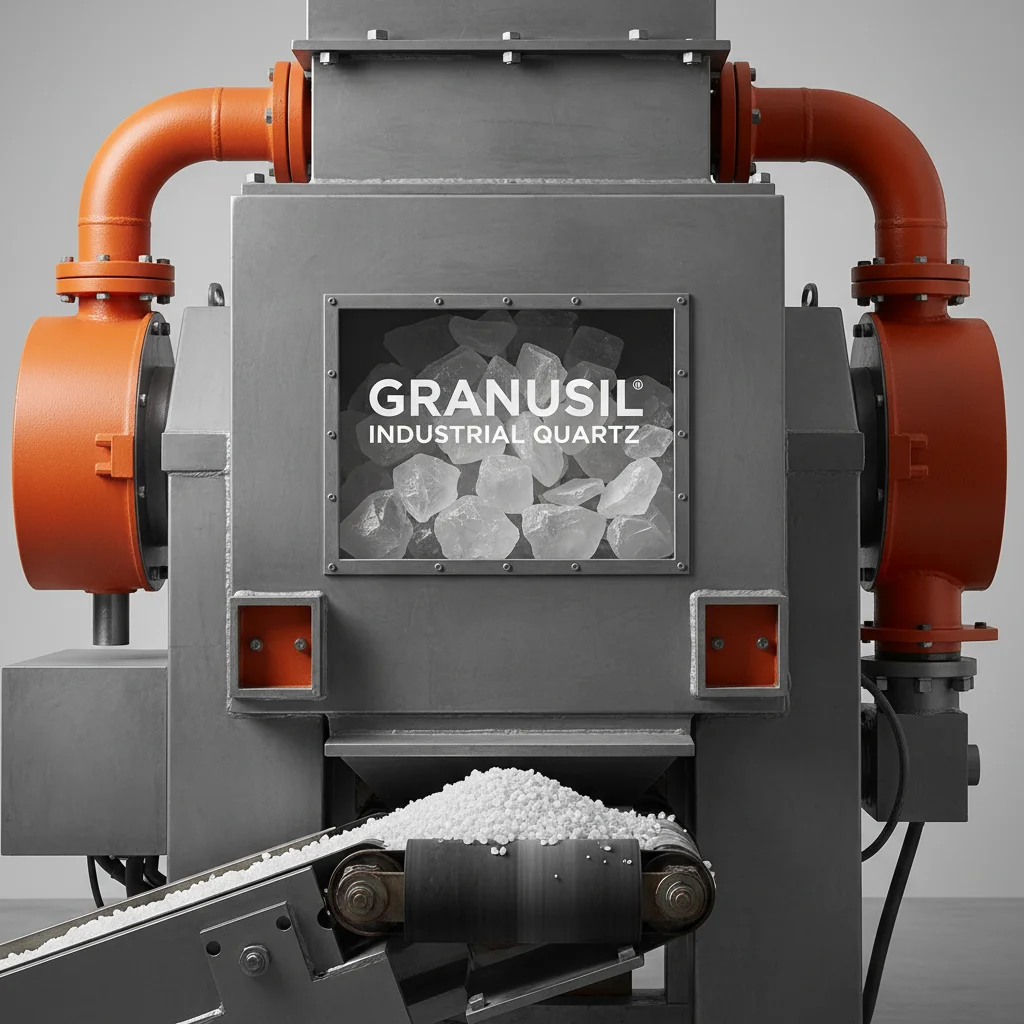
Technical Guide to High Purity Granusil Industrial Quartz Uses
In the sophisticated landscape of industrial mineral extraction, granusil industrial quartz stands as a cornerstone material that bridges the gap between raw geological deposits and high-precision engineering. Its unique chemical stability and physical hardness make it indispensable for a wide array of manufacturing processes, from glass production to advanced filtration systems. Understanding the nuances of this material is not merely a technical requirement but a strategic advantage for companies aiming to optimize their production yield and product longevity.
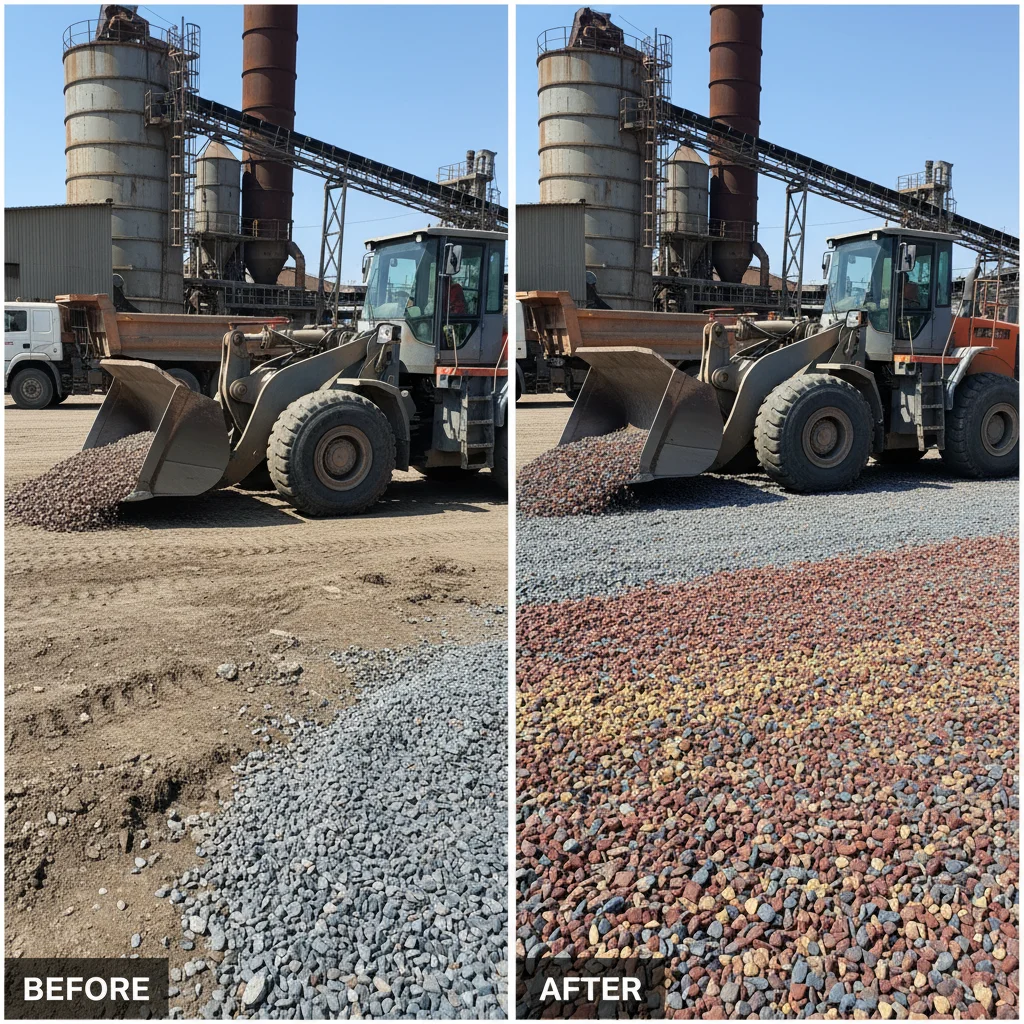
Best Uses of Colored Gravel for Landscaping to Enhance Your Yard
Creating a visually stunning garden or walkway requires a balance of functionality and aesthetic appeal. Using colored gravel for landscaping is one of the most effective ways to introduce vibrant tones and professional texture to your outdoor environment. Unlike traditional mulch, colored stone provides a permanent solution that resists decay and reduces maintenance. Whether you are looking to define a path, highlight a flower bed, or create a modern Zen garden, the right choice of aggregate can transform a dull yard into a masterpiece. In this guide, we will explore the various types of colored gravel and how to use them.
Enhancing Your Outdoor Space with Brown Landscape Rock Guide
Creating a visually stunning and sustainable outdoor environment requires a thoughtful choice of materials. Among the most versatile options available, brown landscape rock offers a perfect blend of natural aesthetics and long-term durability. Whether you are designing a Zen garden, constructing a retaining wall, or simply looking for a low-maintenance alternative to traditional mulch, these earthy tones provide a timeless appeal. In this comprehensive guide, we will explore the various types of brown stone, their practical benefits, and how to integrate them into your home's exterior design to increase both beauty and property value.
Exploring the Versatile Applications of Gold Sand Quartz in Modern Industries
Gold sand quartz, a fascinating combination of materials, holds a significant place in both industrial applications and aesthetic design. Its unique properties stemming from the quartz component, coupled with the visual appeal of sand-like grains, make it a versatile material across diverse sectors. This article delves into the intricacies of gold sand quartz, exploring its definition, key attributes, global applications, and future prospects. Understanding this material is crucial for professionals in construction, manufacturing, and design, enabling them to leverage its benefits effectively.
Enhance Your Outdoor Space with Bright White Landscaping Rocks Ideas
Creating a beautiful and low-maintenance landscape often involves choosing the right ground cover. Bright white landscaping rocks are a popular option, offering a clean, modern aesthetic and a host of practical benefits. This article will explore everything you need to know about these rocks, from their uses and benefits to installation tips and cost considerations. We will guide you through selecting the perfect white rocks for your outdoor space and maximizing their impact on your overall landscape design.
Exploring the Versatile Applications of Dry Quartz Sand and Future Trends
Dry quartz sand, a granular material composed of silica, plays a pivotal role in a diverse array of industries worldwide. From glass manufacturing and foundry casting to construction and filtration, its unique properties – chemical inertness, thermal stability, and abrasive qualities – make it an indispensable component in countless applications. Understanding the characteristics and sourcing of dry quartz sand is crucial for optimizing processes and ensuring product quality across numerous sectors.

If you are interested in our products, you can choose to leave your information here, and we will be in touch with you shortly.