Find Affordable Cheap Garden Aggregates For Beautiful Outdoor Spaces
Finding the Best Deals on Cheap Garden Aggregates
Landscaping your garden doesn't have to break the bank. Cheap garden aggregates, like gravel, crushed stone, and pebbles, are a cost-effective way to add texture, colour, and functionality to your outdoor space. This article will guide you through understanding the different types of aggregates, where to find the best prices, and how to calculate the amount you need for your project. We'll explore the benefits of using aggregates, factors influencing their cost, and tips for making smart purchasing decisions. Finding affordable materials is key to a successful and beautiful garden transformation. Check out CN Floor Materials for competitive pricing and a wide selection of garden aggregates.
Understanding Different Types of Garden Aggregates
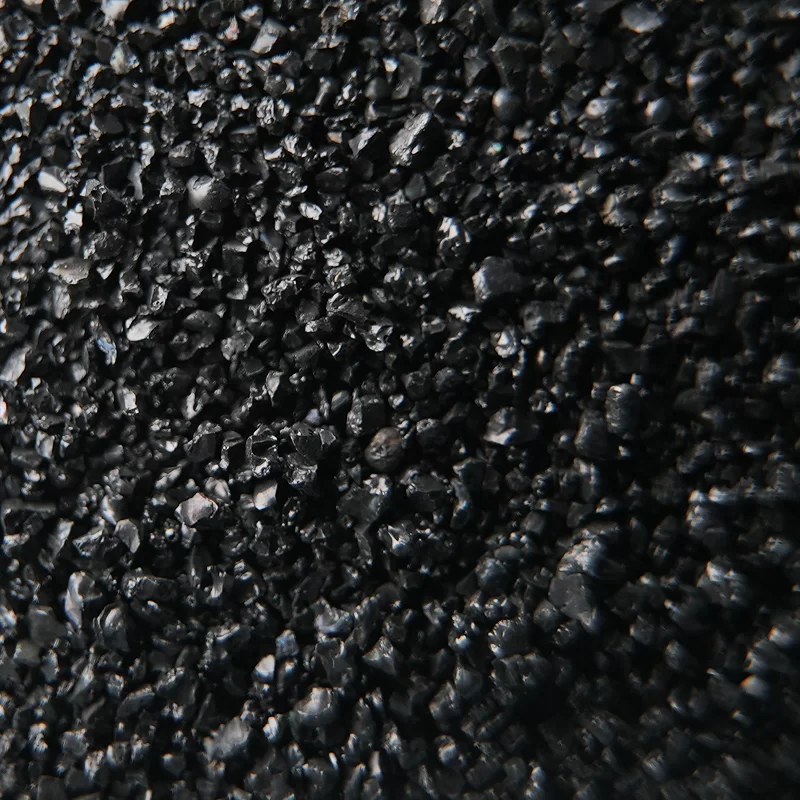
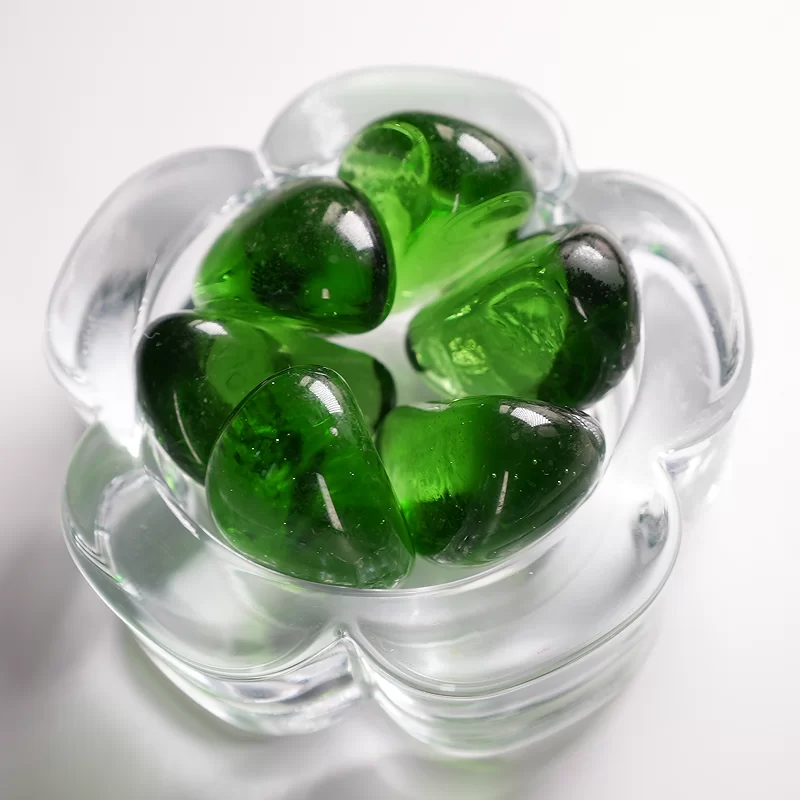
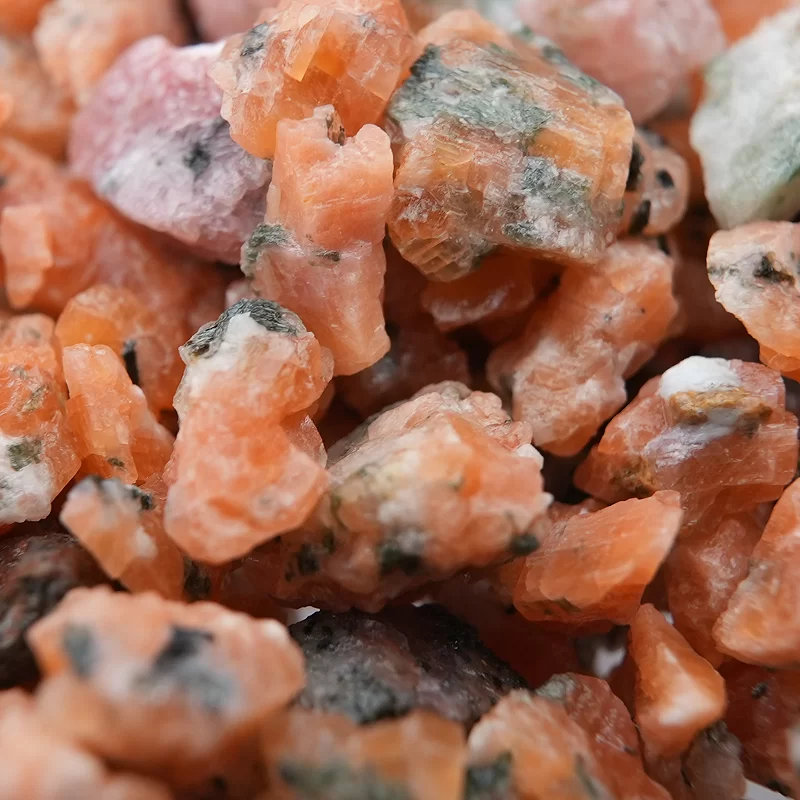
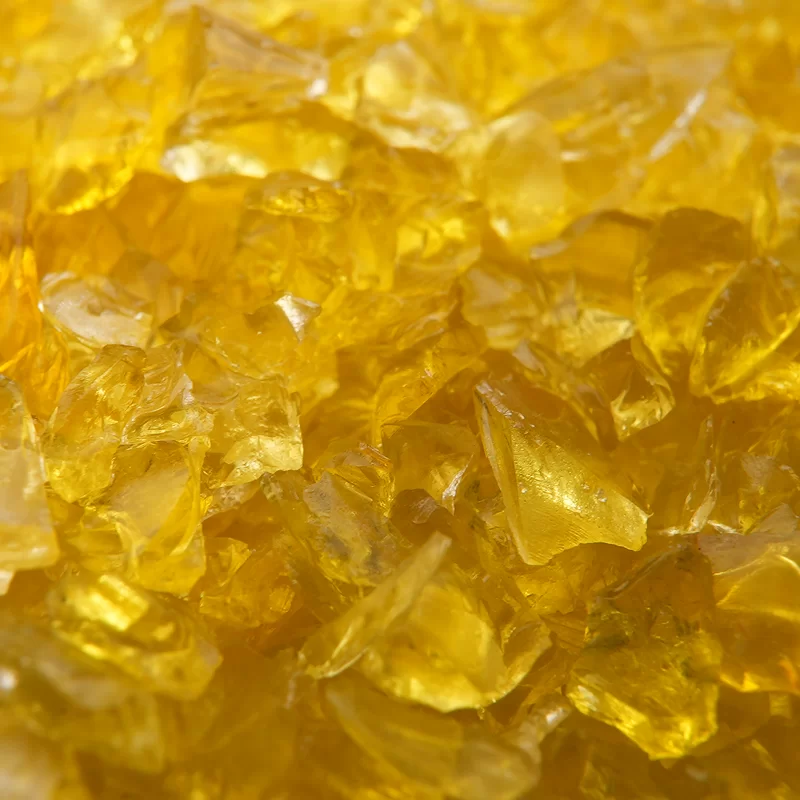
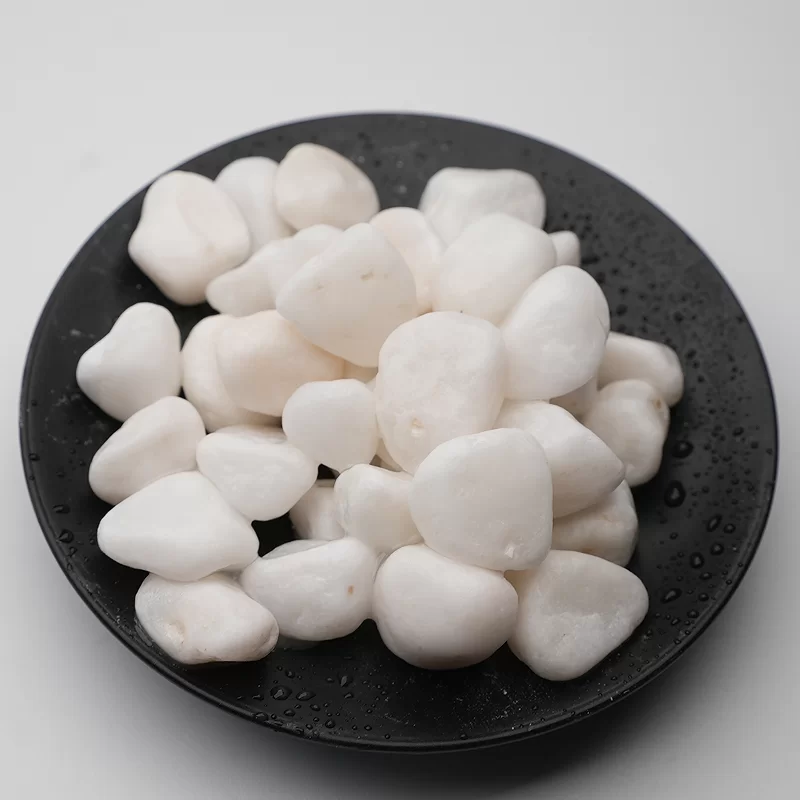
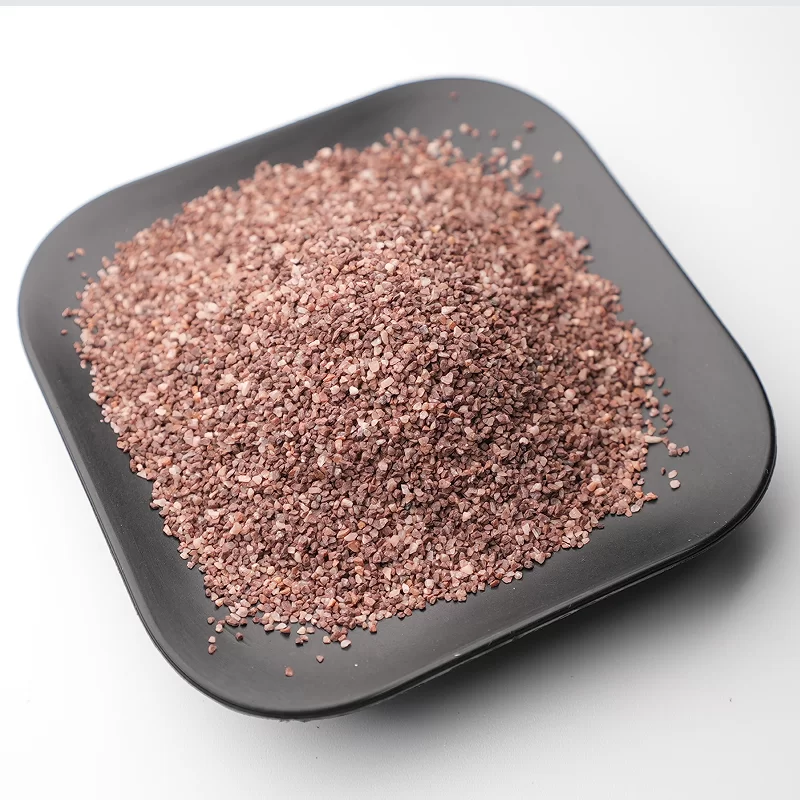
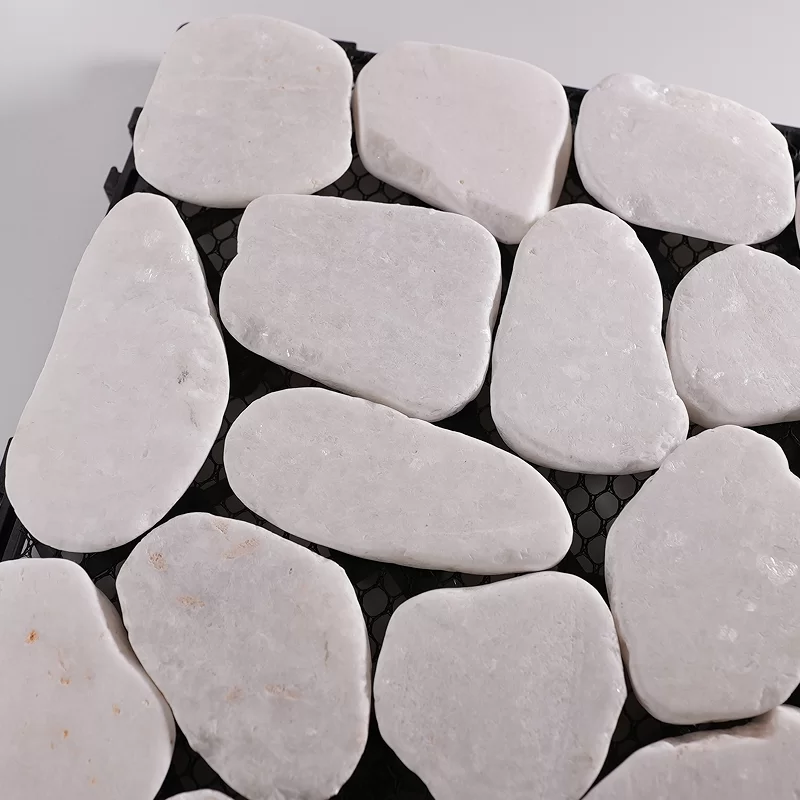
When searching for cheap garden aggregates, it's crucial to understand the various options available. Gravel is a classic choice, offering excellent drainage and a natural look. Crushed stone, often limestone or granite, provides a more stable base for pathways and patios. Pebbles are smooth and rounded, ideal for decorative features. Slate chippings add a contemporary touch, while marble chips offer a luxurious feel. Each type has unique properties and price points, so consider your project's specific needs when choosing. Also, remember that aggregate size impacts both cost and functionality – smaller sizes are generally more expensive but provide a finer finish.
Key Considerations: Different aggregate types offer varying drainage, stability, and aesthetic appeal. Carefully assess your project's requirements before making a decision.
Factors Influencing the Cost of Cheap Garden Aggregates
Several factors determine the price of garden aggregates. Firstly, the type of aggregate itself plays a significant role – marble and granite are typically more expensive than gravel. Secondly, the quantity you purchase impacts the cost per unit; buying in bulk usually results in lower prices. Transportation costs are also a major consideration, especially if you're ordering from a distant supplier. Location and seasonal demand can further influence prices. For example, demand tends to be higher during the spring and summer months, potentially driving up costs. Finding cheap garden aggregates requires researching different suppliers and comparing prices.
Cost-Saving Tips:
• Buy in bulk whenever possible.
• Compare prices from multiple suppliers.
• Consider local suppliers to reduce transportation costs.
• Plan your project during the off-season (fall/winter).
Comparing Popular Aggregate Options and Their Prices
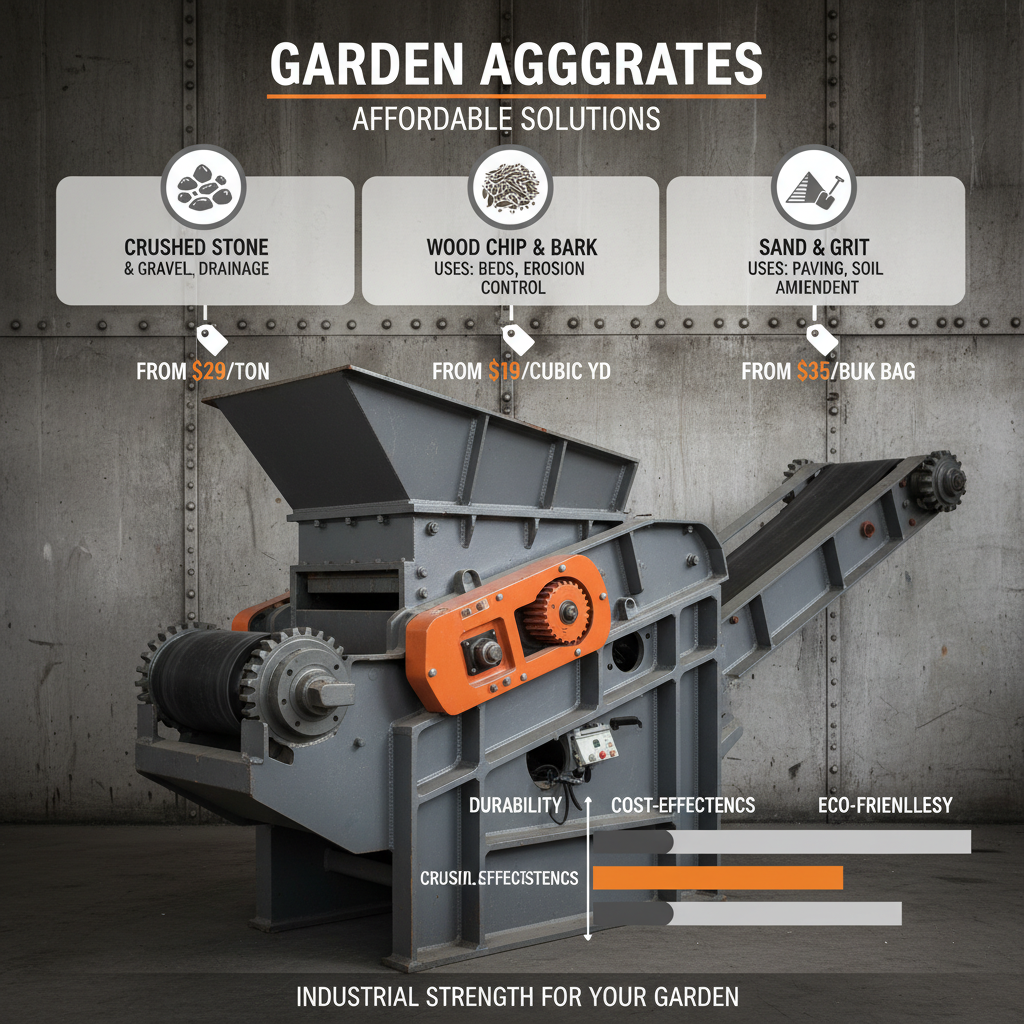
Let’s compare the costs of some common cheap garden aggregates (prices are approximate and can vary by location):
Calculating the Amount of Aggregate You Need
Accurately calculating the amount of aggregate required prevents overspending and ensures you have enough material to complete your project. Determine the area you need to cover (length x width). Then, decide on the desired depth of the aggregate layer (e.g., 5cm for a pathway, 10cm for a driveway base). Use a volume calculator to convert these measurements into cubic meters. Remember to add a small percentage (around 5-10%) for compaction and wastage. Online aggregate calculators are readily available to simplify this process. A precise calculation minimizes waste and saves you money when purchasing cheap garden aggregates.
Where to Source Affordable Garden Aggregates
Finding the best deals on garden aggregates involves exploring various sources. Local quarries often offer competitive prices, particularly if you're willing to collect the materials yourself. Building supply stores are convenient but may be more expensive. Online retailers, like CN Floor Materials, offer a wide selection and convenient delivery options. Don't forget to check classified ads and online marketplaces for potential bargains from local sellers. Comparing quotes from multiple suppliers is essential to securing the lowest price.
Conclusion: Creating Your Dream Garden on a Budget
Investing in cheap garden aggregates doesn't mean sacrificing quality or style. By understanding the different types available, comparing prices, and calculating your needs accurately, you can transform your outdoor space without breaking the bank. Don't hesitate to explore different suppliers and take advantage of seasonal discounts to maximize your savings. A beautiful garden is within reach with a little planning and smart shopping.
Frequently Asked Questions (FAQs)
What is the best way to transport garden aggregates?
For smaller quantities, you can transport aggregates in heavy-duty builders' bags using a car or van. However, for larger orders, it's best to arrange delivery from the supplier. Many companies offer a 'tipping' service where they'll deliver the aggregates directly to your desired location. Ensure you have clear access for the delivery vehicle and protect any surfaces that could be damaged by the weight of the materials.
How do I prepare the ground before laying garden aggregates?
Proper ground preparation is crucial for a lasting result. Remove any existing vegetation, debris, and topsoil. Compact the sub-base using a plate compactor. For pathways or patios, consider laying a layer of geotextile membrane to prevent weeds from growing through. Ensure the surface is level before spreading the aggregates.
Are there any maintenance requirements for garden aggregates?
Garden aggregates generally require minimal maintenance. Periodically remove any weeds that may grow between the stones. Top up the aggregate layer as needed to maintain the desired depth. Raking the surface can help to redistribute the stones and keep it looking tidy. Some aggregates may require occasional washing to remove dirt and debris.
Can I use garden aggregates for drainage purposes?
Yes, gravel and crushed stone are excellent materials for improving drainage in gardens. They allow water to percolate through the soil, preventing waterlogging. Using a layer of aggregate at the bottom of planting beds or around foundations can help to manage excess moisture. It’s important to choose the appropriate aggregate size and depth for optimal drainage.